



Pool Safety: Sliding Door Latch FAQ
Q: Why are sliding door latches important for pool safety?
A: They help prevent kids or pets from getting to the pool area by making sure the door stays closed and secured. A good latch also helps you stay compliant with local rules and gives you peace of mind.
Q: What does “self-closing” mean for a sliding door?
A: It means the door should shut on its own and latch securely without you having to fiddle with it every time.
Q: What does “self-latching” mean?
A: The latch should engage automatically when the door closes. Many rules place the latch high enough so little ones can’t reach it.
Q: How high should the latch be installed?
A: A common guideline is about 1.5 meters (roughly 5 feet) above the floor, but check your local codes to be sure.
Q: Why do some latches require dual actions to open?
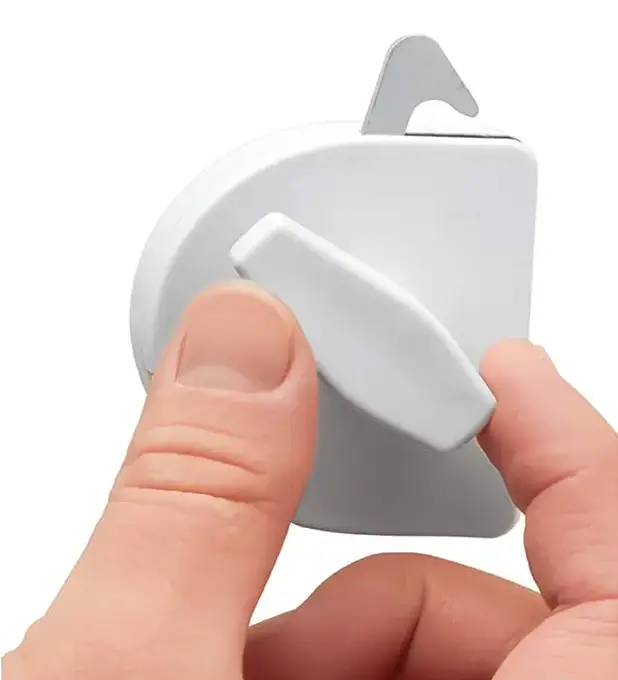
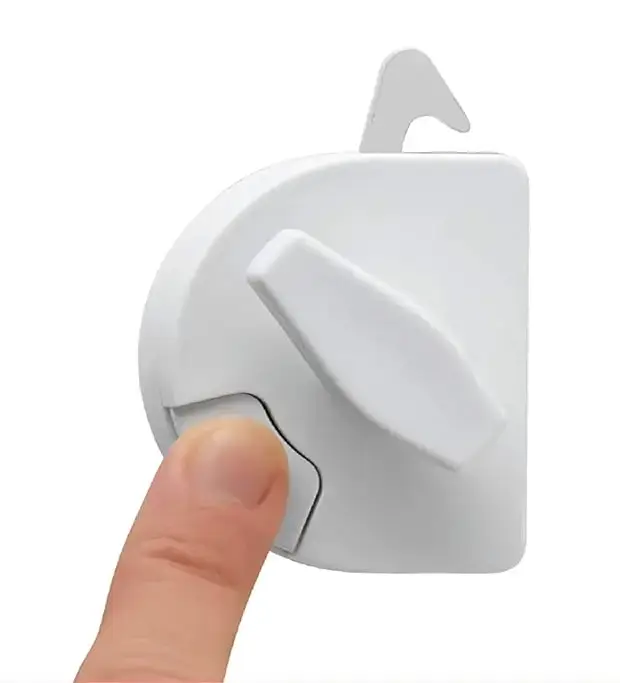
A: Requiring two actions (like lifting and sliding at the same time) makes it harder for young children to open the door.
Q: Do pool safety rules vary by region?
A: Yes. Different places have different requirements. It’s best to check local building codes and pool safety laws.
Q: Can you give detailed legal info?
A: – The Australian Standard AS 1926.1 covers pool safety, including door latches.
Q: Are alarms part of the safety setup?
A: In some places, yes. Door alarms that sound when the door opens add an extra layer of protection.
Q: What kinds of products should I look for?
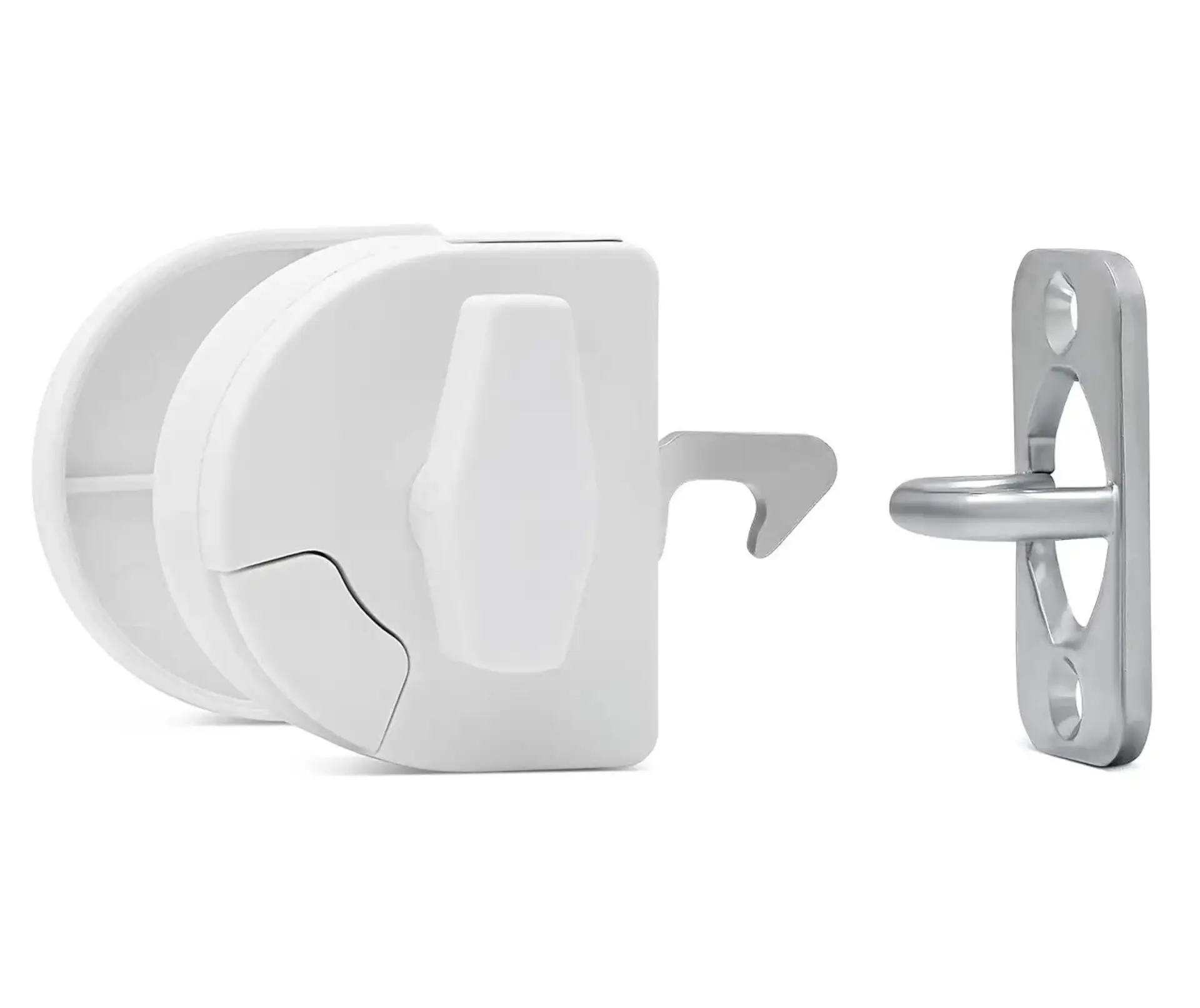
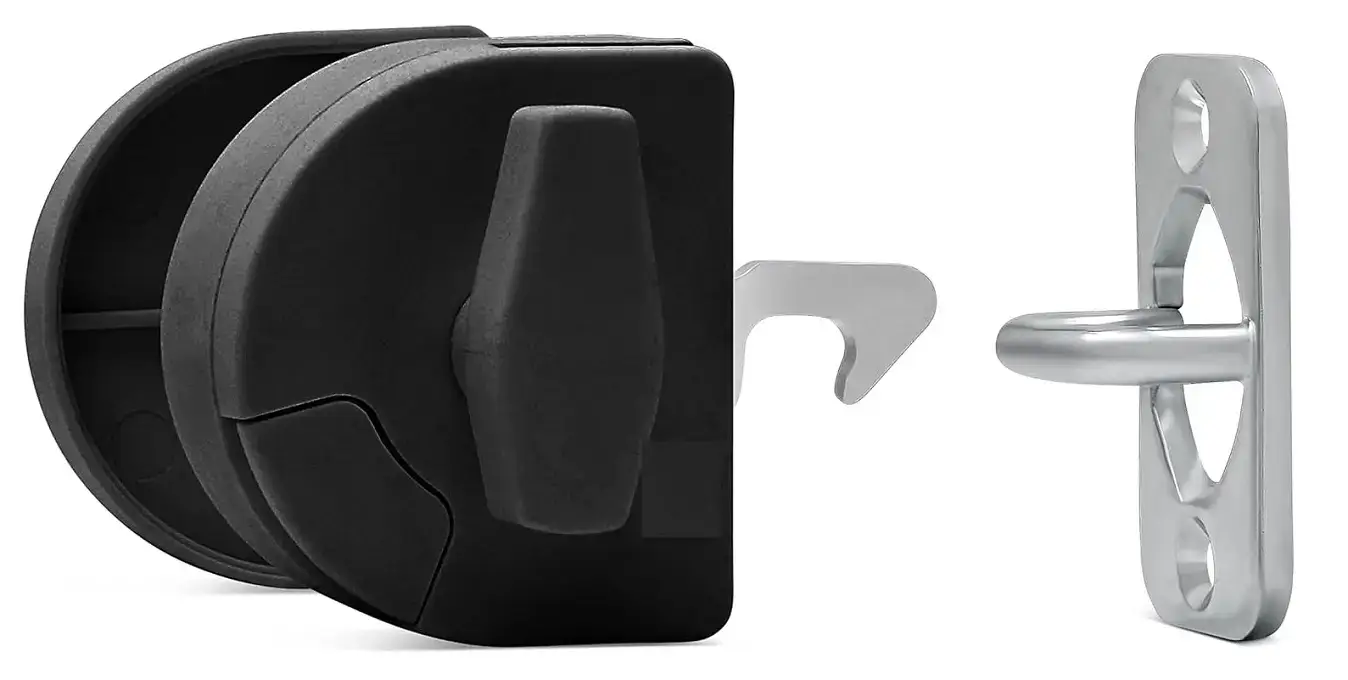
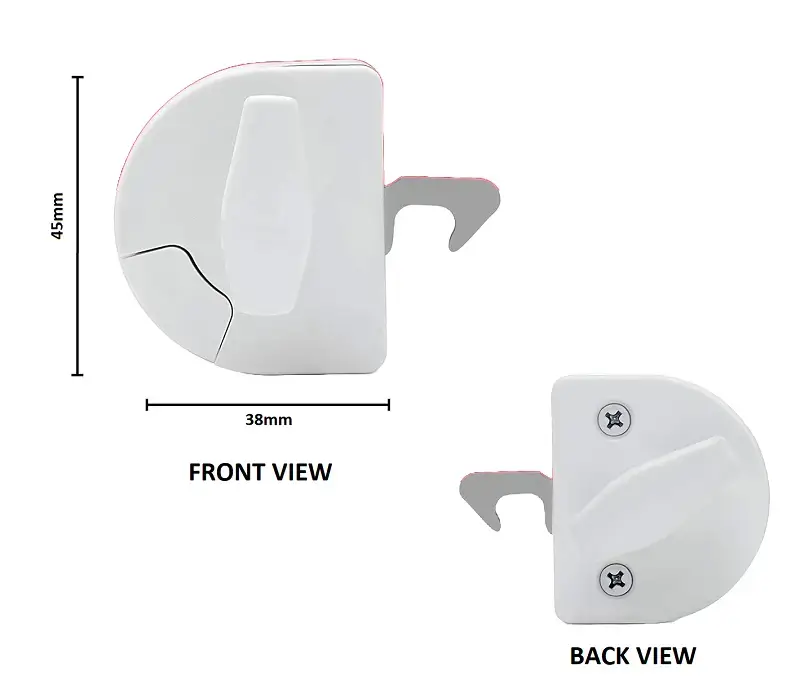
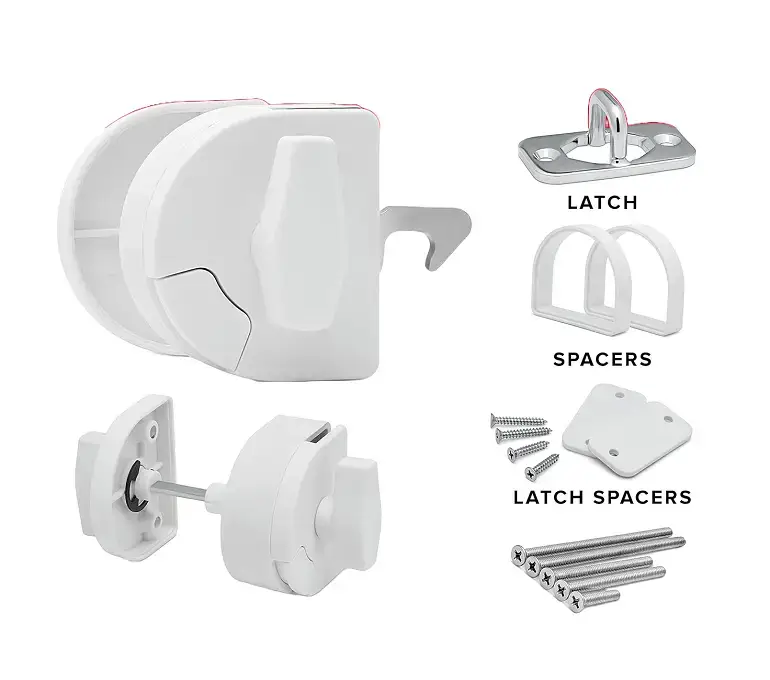
A: Look for pool-safe sliding door latches that are high-mounted and self-latching. If your current door doesn’t meet standards, you can consider aftermarket safety devices like latch guards or alarms.
Q: Any tips for installation?
A: It’s smart to hire a professional to ensure proper installation and compliance. Then, regularly inspect and maintain the latch so it stays secure and functional.
Q: Is there a quick checklist I can use?
A: Absolutely:
- Is the latch self-closing and self-latching?
- Is the latch mounted at or above 1.5 meters?
- Does the latch require dual actions to operate?
- Are alarms or extra safety measures in place if required locally?
- Has a professional checked the installation?
- Is the latch inspected and maintained regularly?
Q: Where can I get more help?
A: Check with local authorities or a pool safety professional to confirm your area’s specific requirements. And I’m happy to tailor this to your location or needs.